 Aluminum Extrusions
  Fabrication
 Surface Finishes
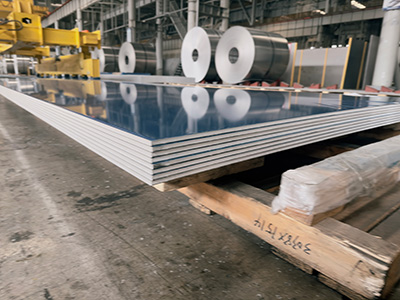 Flat Rolled Aluminum
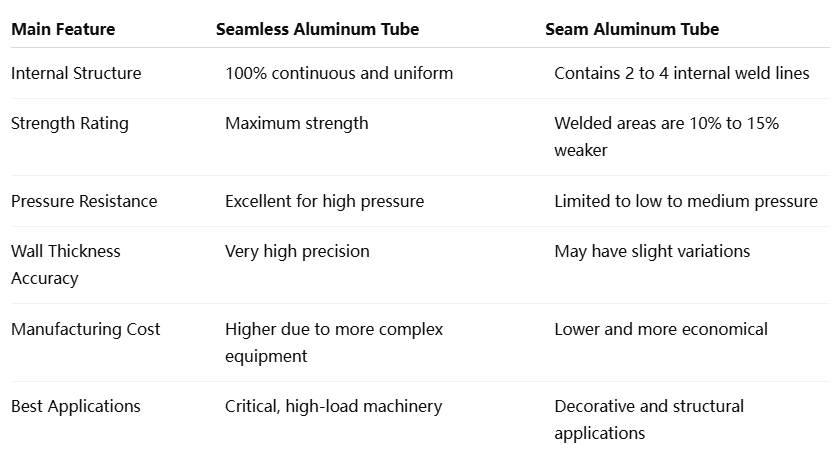
The main difference between these two types of tubes lies in their internal structure. This internal structure affects how they handle loads, pressure, and bending.
Seamless Aluminum Tubes
They have a completely continuous, one-piece structure. There are no seams, welds, or hidden joints along the entire length of the tube.
Seam Aluminum Tubes
Also known as structural tubes or welded extrusion tubes, they look like a single piece from the outside. However, they actually contain 2 to 4 hidden internal weld lines where separate streams of hot metal are pressed together under high pressure.
A seamless tube is like a doughnut made from a single piece of dough. A seam tube is like taking two pieces of dough, rolling them out, and pressing their edges together to form a ring.
Because of this structural difference, seamless tubes are stronger and can withstand higher internal pressure without bursting.
2. Comparison Table
3. How Are They Made? Manufacturing Process
Both types of tubes are manufactured using the extrusion process. During extrusion, a hydraulic press pushes heated aluminum through a forming die, similar to squeezing toothpaste out of a tube. However, the tooling used for each type is completely different.
How Seamless Tubes Are Made
Seamless tubes require highly complex manufacturing equipment. The goal is to ensure that the aluminum does not split during the process.
Heating
A solid cylindrical aluminum billet is heated until it becomes soft and plastic.
Piercing
The press uses a powerful independent steel tool called a piercing mandrel. The mandrel penetrates the center of the hot aluminum billet, creating a hole and turning it into a hollow cylinder.
Extrusion
The main ram pushes the hollow billet through the die. The aluminum flows through the space between the outer die and the inner mandrel, forming a continuous tube without any joints.
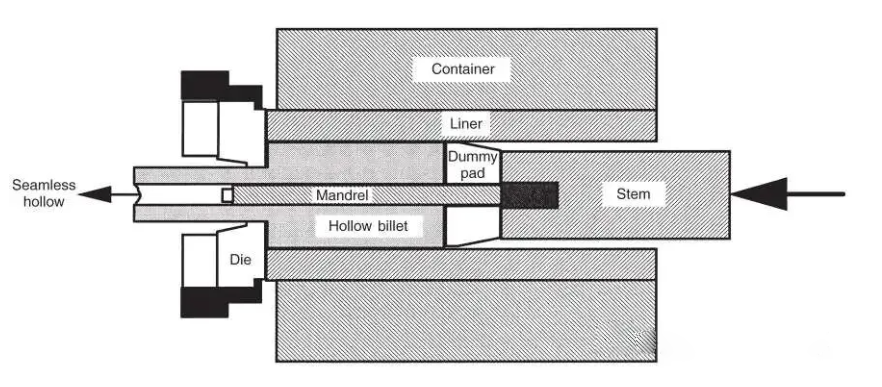
Figure 1 – Seamless Tube Extrusion Principle
How Seam Tubes Are Made
Seam tube manufacturing is simpler and faster, making these tubes less expensive to produce.
Heating
A solid aluminum billet is heated until it reaches a plastic state.
Splitting
The solid billet is pushed directly into a special tool called a porthole die or bridge die. Inside the die, fixed bridges support the central mandrel. These bridges divide the flowing aluminum into 2, 3, or 4 separate streams.
Welding
After flowing around the bridges, the aluminum streams enter a welding chamber inside the die. Under extremely high temperatures and intense hydraulic pressure, the separate streams recombine around the mandrel. This creates a solid-state weld seam that is not visible from the outside.
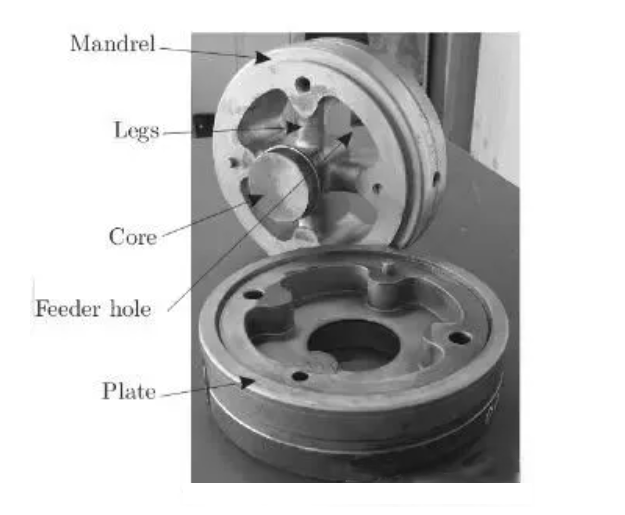
Figure 2 – Hollow Extrusion with a Porthole Die
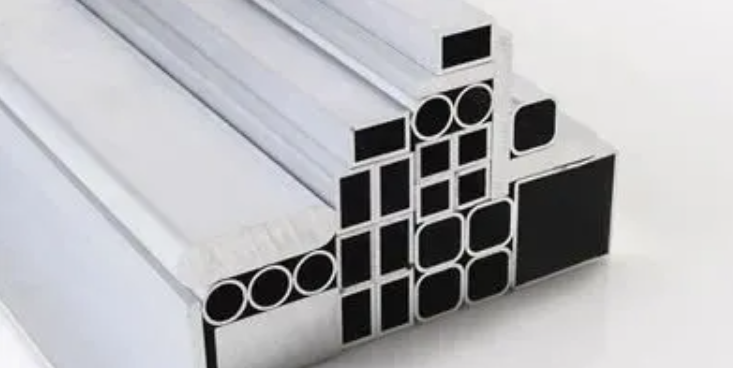
Figure 3 – Location of Weld Seams in a Square Tube
4. Differences Between the Extrusion Machines
If you walk into an aluminum extrusion plant, you will immediately notice that the equipment used for these two types of tubes looks very different.
Seamless Extrusion Machine
This is a large, heavy-duty machine that uses a two-cylinder design. One large cylinder controls the main ram, while a second, completely independent cylinder controls the piercing mandrel.
Because the machine must pierce through hot metal, it requires more energy and precise calibration. The piercing mandrel also wears quickly and needs to be replaced frequently.
Seam Extrusion Machine
This is a standard single-cylinder extrusion press. There is no moving mandrel inside the machine. Instead, the press simply pushes the metal forward.
The actual tube-forming process takes place inside the die. Because the machine has a simpler structure and operates faster, a factory can produce thousands of meters of tubing per day with minimal downtime.
5. Aluminum Alloys: Can Any Aluminum Alloy Be Used?
No. Not every type of tube can be made from every aluminum alloy. This is an important technical limitation.
To manufacture seam tubes, the aluminum must be highly ductile and capable of bonding properly inside the die. If a hard or brittle alloy is used, the metal streams may fail to bond together, causing the tube to crack.
6063 and 6060 Alloys
These are among the most widely used alloys in the extrusion industry. Approximately 90% of seam tubes, window frames, and furniture profiles are made from these alloys. They offer good strength, excellent anodizing properties, and an attractive surface finish.
1050 and 1100 Alloys
These are commercially pure aluminum alloys. They are extremely soft, highly corrosion-resistant, and can easily bond together inside the die.
3003 Alloy
This is an aluminum-manganese alloy with good corrosion resistance and moderate strength. It is commonly used in basic heat exchangers.
Alloys Primarily Used for Seamless Tubes
These alloys are strong, hard, and relatively difficult to process during extrusion. They cannot reliably bond together through a porthole die, so they must be produced using seamless piercing methods.
7075
This is an ultra-high-strength alloy containing zinc and magnesium. It is used in heavy-duty military and aerospace equipment. Its high strength makes it difficult to process through conventional seam extrusion dies.
5083 and 5086
These alloys contain relatively high levels of magnesium. During extrusion through a porthole die, magnesium can contribute to the formation of an oxide layer on the metal flow, which can interfere with the bonding of the separate streams.